
Ask any relationship counsellor, and they will tell you prolonged ruts are detrimental to a healthy romance. How can love be exciting when the couple is simply going through the motions with nary a spark of inspiration or enthusiasm?
Sadly, the same charge can be levelled at the Hollywood romantic comedy. Once an infectiously winning formula for fizzy, sexy populist entertainment, the genre is now regularly treated as second-tier counter programming to male-oriented CG blockbusters, lazily hammered together from creaky old parts in order to draw the oft-ignored female demographic to the multiplex. Scan a list of the last two years’ top-grossing romantic comedies and you will see joyless derivative filler à la No Strings Attached, Just Go With It, Valentine’s Day, and The Bounty Hunter. Talk about a turn-off!
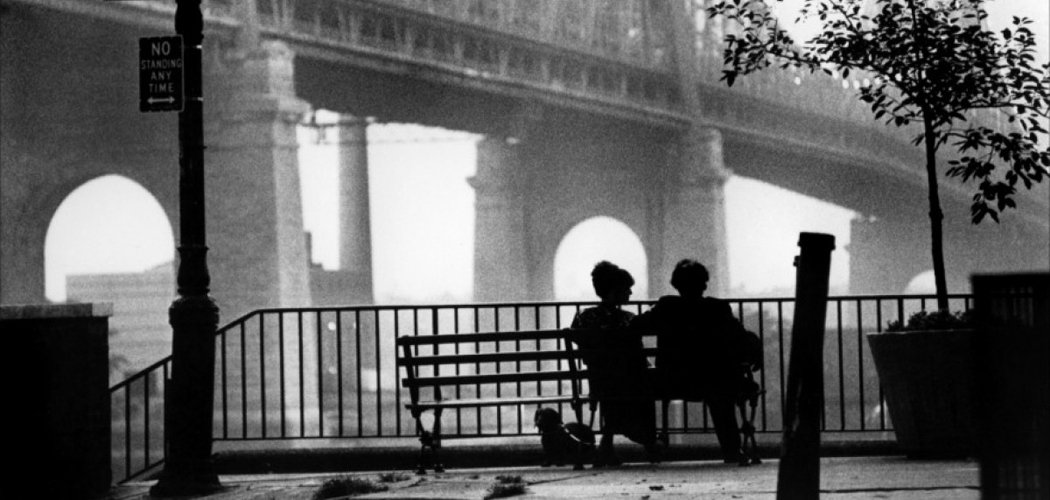
It’s kind of strange the genre has fallen into such dreary condition. Historically, romantic comedies creatively flourished in times of social unrest. The Great Depression spawned fast-talking screwball comedies, which included hilarious masterpieces like It Happened One Night, The Philadelphia Story, and Bringing Up Baby. Likewise, the bleak American mood of the 1970s — still shaken by the Vietnam War, Watergate, and crippling recession — ultimately led to wryly contemplative romantic meditations by filmmakers such as Woody Allen (Annie Hall, Manhattan), Blake Edwards (10), and Albert Brooks (Modern Romance).
Certainly, both bumper crops sought to achieve very different aims. The screwballs taught that love was capable of conquering any crisis, and that both partners could share equal ground in a relationship, whereas the latter neuroticism-tinged efforts typically deconstructed the cinematic love story by emphasizing the seemingly insurmountable differences between the sexes. The best of each tackled their message with dazzling originality and razor-sharp wit, and made the act of watching movie stars fall in (or even out of) love enchanting.
One might hope that, given North America’s current economic uncertainty, intriguing filmmakers would be drawn to the genre, eager to re-examine the nature of comedic on-screen courtship. Unfortunately, this hasn’t been the case. Of 2011’s underwhelming output, only Woody Allen’s delightful (and independently financed) Midnight in Paris manages to instill some compelling ideas into its frothy, crowd-pleasing mixture of sweeping period romance and luxurious travelogue footage. In his low-key fairy tale, the legendary writer/director sweetly questions our tendency to over-idealize the past — a popular genre trope — while also reaffirming the stirring power of a storybook ending.
Viewing Paris, or any number of classics, it becomes abundantly clear how desperately wanting the genre has become for strong, clever dialogue writers. Recall the mesmerizing back-and-forth verbal sparring in films like His Girl Friday or When Harry Met Sally, where seduction took the form of comic one-upmanship. The appeal of the characters wasn’t so much their physical beauty, as it was their smart, quick, funny, and wonderful company. Who wouldn’t want to be with them?
In recent years, the necessity of snappy dialogue has taken a backseat to plot, which is a hopeless miscalculation given the relative inflexibility of rom-com story structure. We know the couple will “meet cute,” have postcard-perfect dates, an unfortunate second act misunderstanding, and a blissful closing reunion. As far as plots go, it’s a fine one (just ask Shakespeare!), but it requires the pleasurable subtleties of elegant, amusing language to bring it to magical life. Katherine Heigl and James Marsden may look fetching together in 27 Dresses, yet, because they have nothing interesting to say, you can’t get emotionally caught up in their tumultuous affair.
The question is, who’s capable of shaking up the status quo? There aren’t many Billy Wilders, Howard Hawks or Frank Capras to inject much-needed artistic energy these days. Judd Apatow is our most influential mainstream rom-com voice but, to date, his work is typically centered more on the raunchy inner-workings of male relationships than in the actual pursuit of love. Although Will Gluck (Easy A) and Paul Feig (Bridesmaids) show promise, they’re still too green for audiences to place their full trust in.
Gifted storytellers are crucial to the success of any genre, and it is high time the romantic comedy benefited from the wealth of interesting talent swirling about. Remind us what it feels like to laugh and be entertained by the promise of everlasting devotion between charismatic actors. Because, if this grim pattern continues, Hollywood may start to really see ticket-buyers lose that loving feeling.