The federal government of Canada recently approved Enbridge’s Northern Gateway pipeline. Its purpose: to transport oil and heavy oil thinner called condensate from Alberta to British Columbia and back, opening up trade with Asia’s emerging markets, creating hundreds of jobs, and generating millions of dollars. Sounds like a good idea right? Well, maybe to a certain group of people.
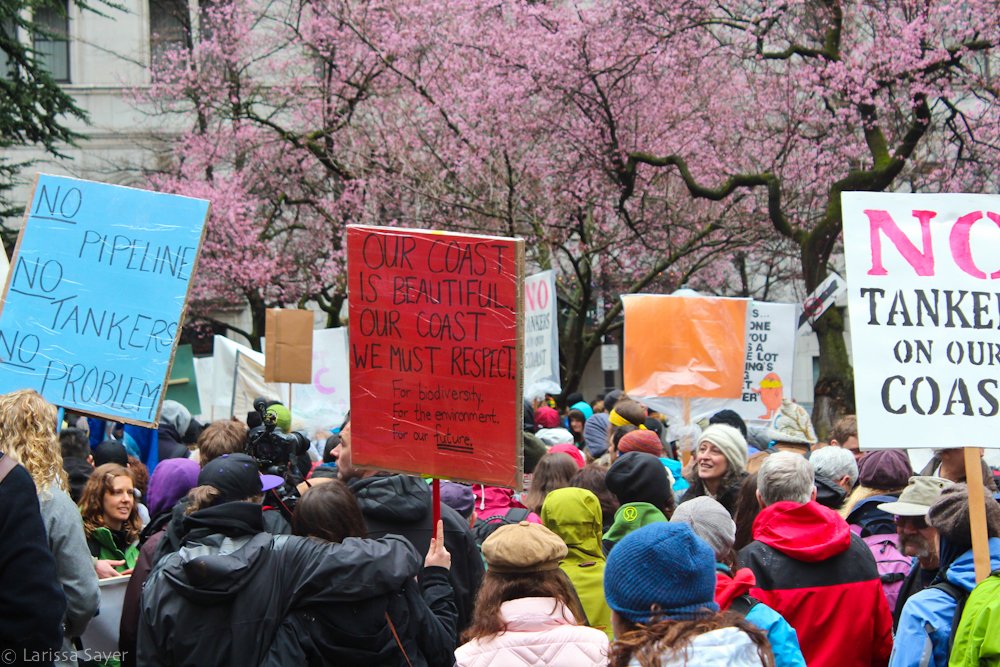
This pipeline’s construction has been — and continues to be — hotly contested. Even though it has been approved, it’s still subject to 209 conditions put down by the National Energy Board, as well as further talks with First Nations communities. In addition, even though the federal government has approved it, British Columbia’s provincial government’s stance is a still a no. For the pipeline to be built they say, Enbridge must adhere to five guidelines, of which the company has only complied with two. Various First Nations leaders, including Grand Chief Stewart Phillip have expressed their disappointment that the Harper government has approved the project.
What we’re faced with here is a dichotomy. On one side is the obvious economic benefit that the Northern Gateway will provide hundreds of jobs and millions of dollars. On the other side are the massive and adverse environmental impact to the lands of the First Nations people.
But Enbridge doesn’t see this as a dichotomy, citing that they are doing everything possible to create a solution that is beneficial for everyone. However, many say that there is no way for the pipeline to do any good for the land or for Canadians. It’s a severe conflict of values; a fundamental difference on what certain groups of people believe truly matter. Indeed, it’s hard to see a conclusion that isn’t messy, because it’s clear that both sides have their target set on different goals.
Photo (Flickr CC) by Larissa Sayer.