I never thought it would happen to me.
When I was in seminary, I heard about how many pastors left the profession each month (over 1,000 per month according to one study). Professors used phrases like “burnout” and “moral failure”. I don’t know if the point was to scare me into dropping out, but I left thinking, “that will never happen to me.”
If you fast-forward four years to the summer of 2012 , I hit a wall pastoring. I began struggled to find words when writing sermons. I went through the motions on a lot of Sundays. Physically, I hadn’t been taking caring of myself, neglecting healthy eating habits and ignoring the discipline of exercise. Spiritually, I was prepping my public spirituality (writing, teaching, leading a ministry) while neglecting my private spirituality (silence, solitude, meditation, prayer). Emotionally, I had been fighting to maintain hope amidst disappointments in building ministry momentum. And it just kept getting harder.
One Thursday evening, I broke down in a planning meeting with some volunteers I led. Failing to care for myself physically, emotionally and spiritually had caught up to me. As we struggled to navigate different opinions on how our ministry should handle a philosophical conflict, the team looked to me to solve the problem and lead us forward. But as my opportunity to lead came, I became as vulnerable as I’d ever been. “I don’t know – I have nothing left to share. I don’t have a new vision to share with you. I don’t know how to solve this. I have no idea where to lead you. I’m empty.”
My friends responded with love, not judgment. I found acceptance instead of rejection. They laid hands on me, prayed, and gave me the permission to be in a dark and difficult place. I will never forget that evening, or the gift they gave me.
But I knew things needed to change. I couldn’t keep going down this path. In spite of my good intentions, I was becoming another statistic. The next day, I left for a personal retreat. I sat in a room overlooking a pool, where I began rediscovering God’s unconditional love. I reconnected with a book which had changed my life in college — The Ragamuffin Gospel by Brennan Manning. I began recognizing the unhealthy patterns which had led me to burnout.
I finished the retreat by contemplating what it would mean to look for a new job. I made some applications and began networking for a new opportunity.
Gratefully, I’m here today in a much healthier place. I’ve improved physically, losing weight, sleeping more and relying less on coffee. I’m excited about my work as a pastor, and I’m thrilled to still be serving at the same church.
Recently, a friend encouraged me by saying that he felt like I was in a season of renewal. I resonated with that word – “renewal”. I still have hard days, though, when I fall into old habits.
However, I’ve learned some hard-fought lessons on the way from burnout to renewal. I hope they will help you or someone you love.
1. What you do and who you are cannot be disconnected. Who you truly are always comes out. When we say, “I don’t know what came over me; I don’t know why I said/did that”, we’re dishonest. We may not know why we said or did that, but temporary demon possession is not a substantive defence! When our actions surprise or disappoint us, the root causes are often found at the deeper level of identity.
2. It’s about God’s work in us not our work for God. God’s work in us is more important than what God is doing through us. On my way to burnout, I focused more on what I was doing for God, even when that was working against what God wanted to do in me. We often care more about other people’s opinions than God’s view of us.
3. Character is more important than talent. Talent is the part of the iceberg above the water – the part everyone sees. Character is the much larger part, below the water. While people applaud our talents, it is often private moments where our character weaknesses undo all that we’ve worked to achieve. In my story, new responsibilities revealed character flaws I had not addressed. We need to pay more attention to the development of our character than we do our talent.
4. Think long-term, not short-term. Some of my pain came from being bound to immediate circumstances, unable to see the future. I sacrificed my health on all levels, maintaining an unsustainable pace of life. We tend to over-estimate what could change in the short-term and under-estimate what could happen in the long-term. We rush to build our dreams without doing the slow foundational preparation.
5. You are never going to be more loved by God than you are right now. Read that statement again. Those words were the ones I came back to on the retreat and they began my path to renewal. We must stop trying to earn God’s love. Learn to embrace it, marinate in it. Let it produce an overflowing life in you unlike anything you’ve known.
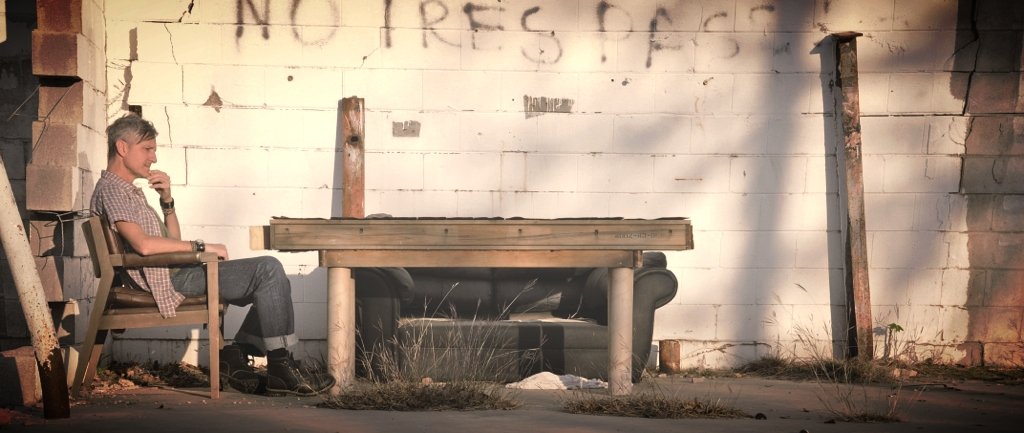
Photo by (Flickr CC) ann harkness