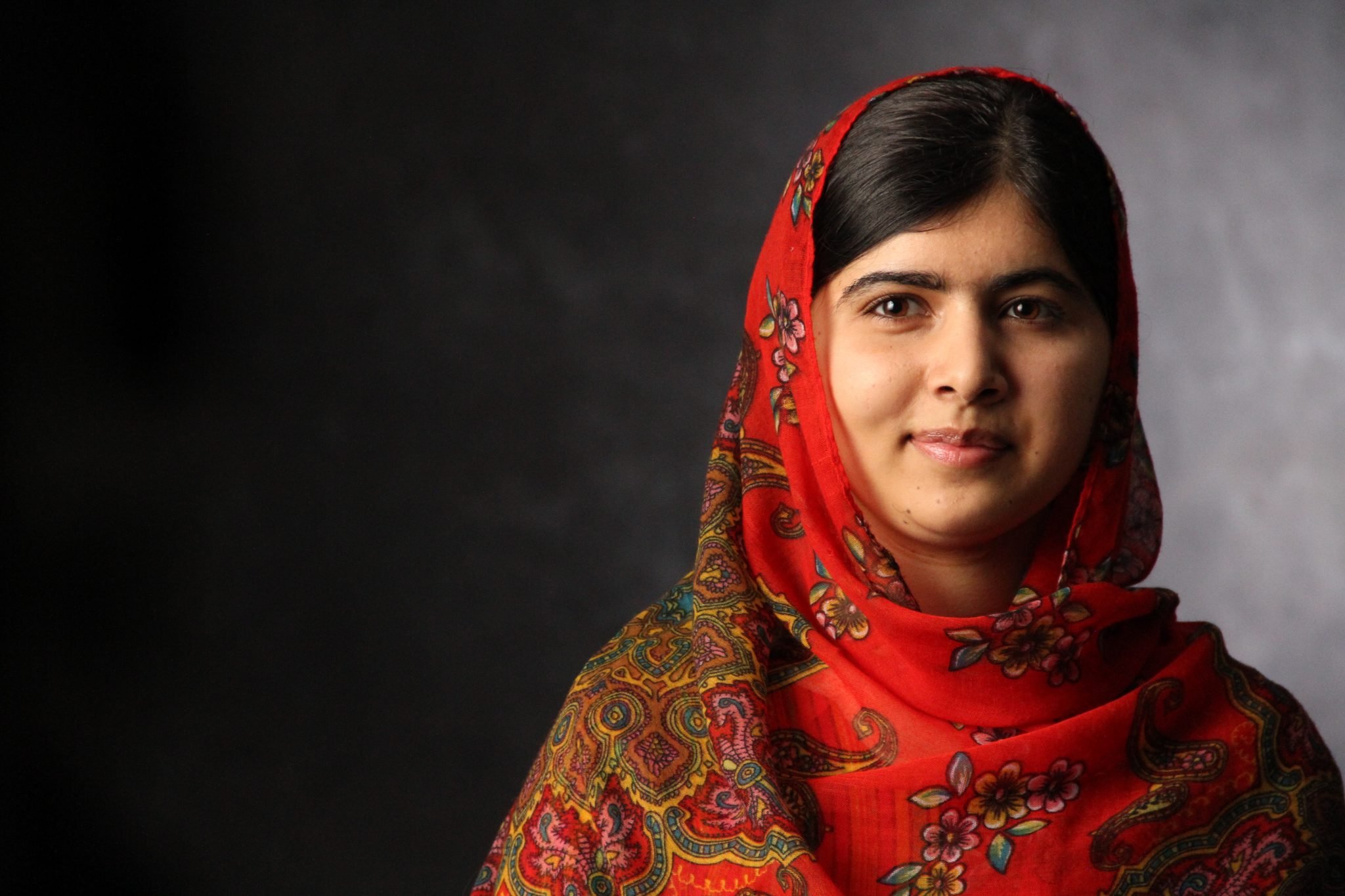
Unbeknownst to most people, yesterday, July 14, was Malala Day, as recognized by the UN’s Global Education First Initiative. Who is Malala? You might remember her as the girl from Pakistan who was shot by the Taliban for her activism on the behalf on women’s education. The Taliban thought that would be the end of her troublesome pandering about education (which she had be doing since she was 11). Instead, Malala Yousafzai did the one thing that Taliban didn’t want her to do: she lived. More than that, she continued her passionate work.
In Islamic countries, women don’t get nearly the same treatment that they would in the West. They are considered second class citizens, firmly entrenched below all men on the totem pole of power. Many are barred access to education, as well as most of the rights that we take for granted in Western society. Malala threatened the status quo and the Taliban retaliated. This happened when Malala was 15. Now she is 17, and already her impact is worldwide.
It’s people like Malala who shed light on just why gender equality is one of the UN’s Millennium Development Goals. She’s also an example of the simple power of an idea, and following through on it. As Malala herself writes, she is just one girl, but she’s helping to change the world.
Photo (CC) courtesy of Curtis Brown.