When I lived in New York, it was so hard to choose. Out of the countless different things the city offered, I could never decide where to eat, what to do, who to see.
Since moving back to my home country — Myanmar — I have seen how the majority of people here have very little choice at all. They’re simply struggling to get their daily meals. It’s one thing to read about poverty and hunger, but it’s another to see the faces of hunger-pained people right in front of me.
I could have easily been another poor kid on the streets, but I happened to be born into a family who could afford to send me to good schools and provide me with a comfortable life. I was born into a situation which allowed me to grab opportunities, pursue life goals, and chase my dreams.
I’m haunted by this.
A few weeks ago, inequality and injustice took on solid numbers that have gone viral, shocking everyone. According to the 2014 Oxfam Report, the top 85 richest people in the world have more wealth than the poorest half of the global population.
(Take the entire population of Canada and multiply it by roughly 20 and a half. Those 700 million people would have less money than a random group of 17 individuals. That’s the kind of gargantuan inequality we’re talking about here.)
Oxfam also points out that this inequality is growing due to “power grabs’’ by wealthy elites who buy out political systems to promote economic policies in their favour and at the expense of everyone else.
It’s easy to get angry at these 85 wealthy people living at the top while so many are scrounging at the bottom. At the same time, many of us don’t want to fight the system as we secretly hope we might some day reach the top.
But, this extreme inequality affects us all.
It’s the reason I’m afraid to stay out alone late at night, worrying about the risk of rape or even murder. It’s the reason my friends here in Myanmar who have professional degrees in medicine cannot afford to live on their salary alone. It’s the reason my nephews and nieces might live in a world where equal opportunities continue to be Upworthy instead of commonplace. It’s the reason my friends in the U.S. feel exploited by the DWYL mantra. It’s the reason my startup company cannot compete with big multinational corporations.
I’m too privileged to have experienced poverty firsthand. I’m not able to speak for the disadvantaged: the poor, the homeless, the sick, the victims of trafficking and prostitution. But I want to get in touch with the majority of the global population, get to know those on the margins, so that I might learn to care and speak for voices unheard.
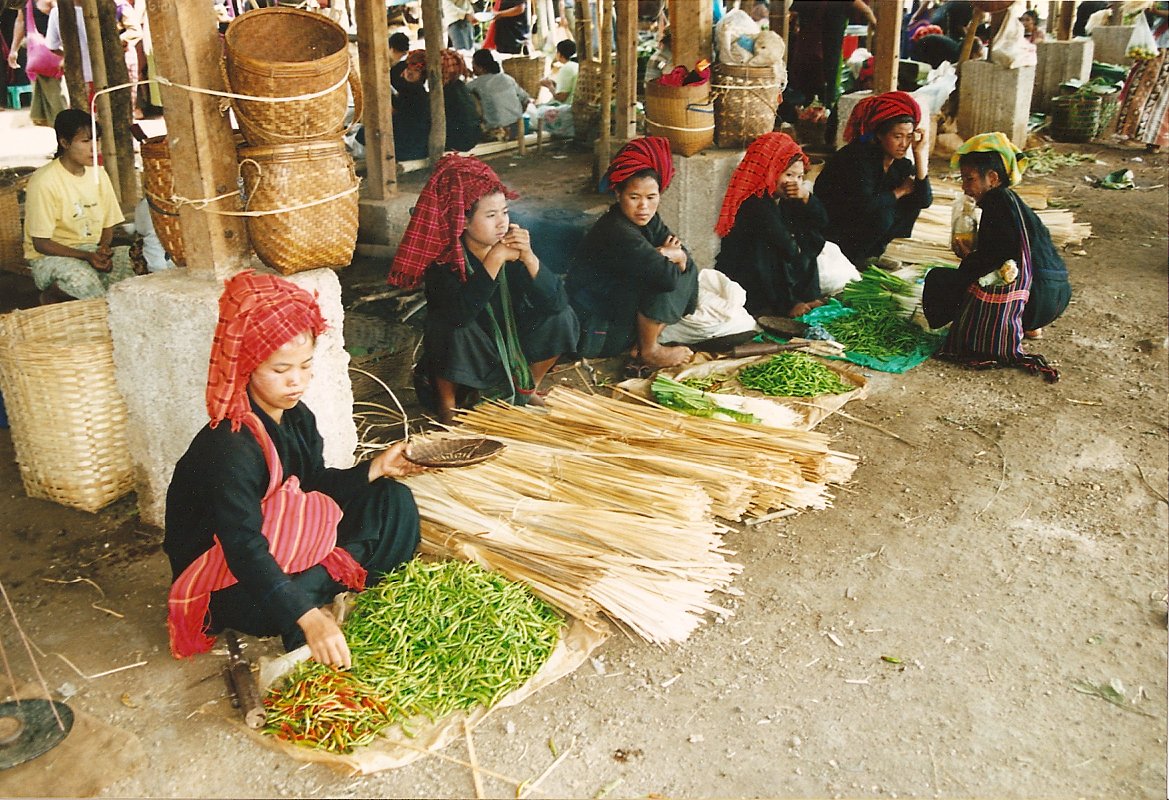
In hopes of connecting, I buy things from street vendors: flowers, food, newspapers. They sometimes tell me how they haven’t broken-even for weeks, how they pool their money together in the community in hopes of taking care of their families.
Their stories have shown me that the common narrative we’re being fed is a lie: these people work extremely hard; they know how to do business, math, and take responsibility. Wall Street’s mantra, “We’re smarter and work harder than everyone else, so we deserve all this money,” is completely invalid.
My concern about inequality comes mainly from self-interested fear, but it has also resulted from my deliberate effort to get in touch with reality. But you don’t have to move across the globe like me to see the poverty and inequality firsthand. It’s everywhere and all around us.
The numbers that Oxfam cites is overwhelming. But there are little things we can do that might make a difference for those around us. A poor street vendor might be able to go home sooner to feed her family when we buy from her; we might learn from street workers about what has led them into prostitution; the sick might feel relieved that someone is willing to hear about their pain. If we are lucky, we may even be able to convince the top richest 85 people to travel by bus instead of their usual private jets. If they get closer to the ground, they might see the world differently.
In creating awareness about global inequality, we may allow these stories to be heard by those who are in the position to make effective change.
We all want to matter and make our short time on earth count. The question is: how do we make it count? I believe that change begins with each and every one of us. And it’s contagious.
Flickr photo (cc) by exfordy