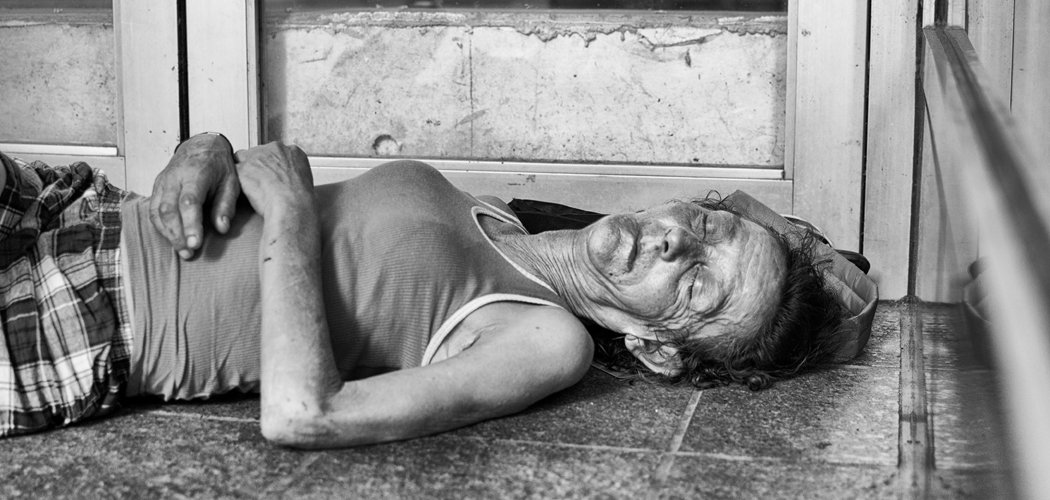
Sitting on a street corner you pass daily there’s someone curled up trying to sleep. Outside the grocery store you frequent every weekend there’s a woman siting with a sign asking for spare change.
There are an estimated 150,000 homeless people in Canada, 65,000 of whom are youth between the ages of 16-24.
In a country so seemingly well-off and developed, how can this even happen?
We can point the finger of blame to the homeless themselves. We blame their addictions and brush off their needs because their circumstance is seen as their choice.
However, much of the homeless population has undergone traumatic or challenging experiences, had not the tools and resources to cope properly consequently bringing them to the streets.
They may have aged out of foster care with little support for school or everyday life. All they may have wanted was to gain a few friends and succumbed to the peer pressure of drugs and alcohol. Perhaps, even with a decent education under their belt, work was hard to come by causing tight budgets and limited resources.
In a recent study by the Institute of Work and Health based in Toronto, it has been found that unemployment or underemployment has a negative affect on mental health, standard of living, social contacts and self-esteem. It is to little surprise then that many trip on one significant crisis causing a downwards spiral into unemployment, mental health and homelessness.
Yes, the situation is dire. It makes me go through a whole range of emotions from sadness and compassion for the homeless, to anger at the government and parents for not providing resources, to confusion as to why God allows this to persist.
Why does this happen? Are all people entitled to a home? What does the Bible say about having a home?
Come to think of it, John the Baptist cried from the desert, ravens fed Elijah, and many apostles deliberately sold their homes to bring the gospel to others. Searching for the Biblical concept of home or shelter, I didn’t find very much. I’m beginning to believe that home may not be a place nor necessarily shelter, but rather a state of peace and refuge in God.
Many times, as David was fleeing for his life from the sword of King Saul, he cries out to God for refuge. In Psalm 144, he writes of God, “He is my loving God and my fortress, my stronghold and my deliverer, my shield, in whom I take refuge.” Whether homeless or blessed, we can find refuge in God.
I know that’s digested easier by people who do have homes. But how can that be said to someone homeless? The immediate concerns for someone living on the streets are warmth, shelter, and according to Maslow’s hierarchy of needs, people aren’t able to conceive spiritual matters like “refuge in God” when their physical needs aren’t met.
God’s heart is for the poor. He has been “a refuge for the poor, a refuge for the needy in his distress, a shelter from the storm and a shade from the heat” (Isaiah 25:4). Likewise, we need to do our best to provide warmth and shelter for those in need.
Nothing we have do we really deserve. Whether we live in an elaborate multi-room mansion or next to a trash bin on East Hastings, we are the same. We are each dealt a hand of talents, responsibilities and circumstances. And while we may feel that we have worked extremely hard to attain a degree, a job in order to strategically place ourselves in a desirable circumstance, where does our strength come from? Who created us with the capability to think critically and provided healthy bodies to go about our daily business?
Where can you start helping the homeless? Look to your local urban relief organization and see how you can actively get involved.
Here are a few:
- Shelter Support at Covenant House in Vancouver
- Meet with the homeless at Ottawa Mission
- Check out the Student Missional Housing Program at Mustard Seed in Calgary
Flickr photo by Nick Moise